
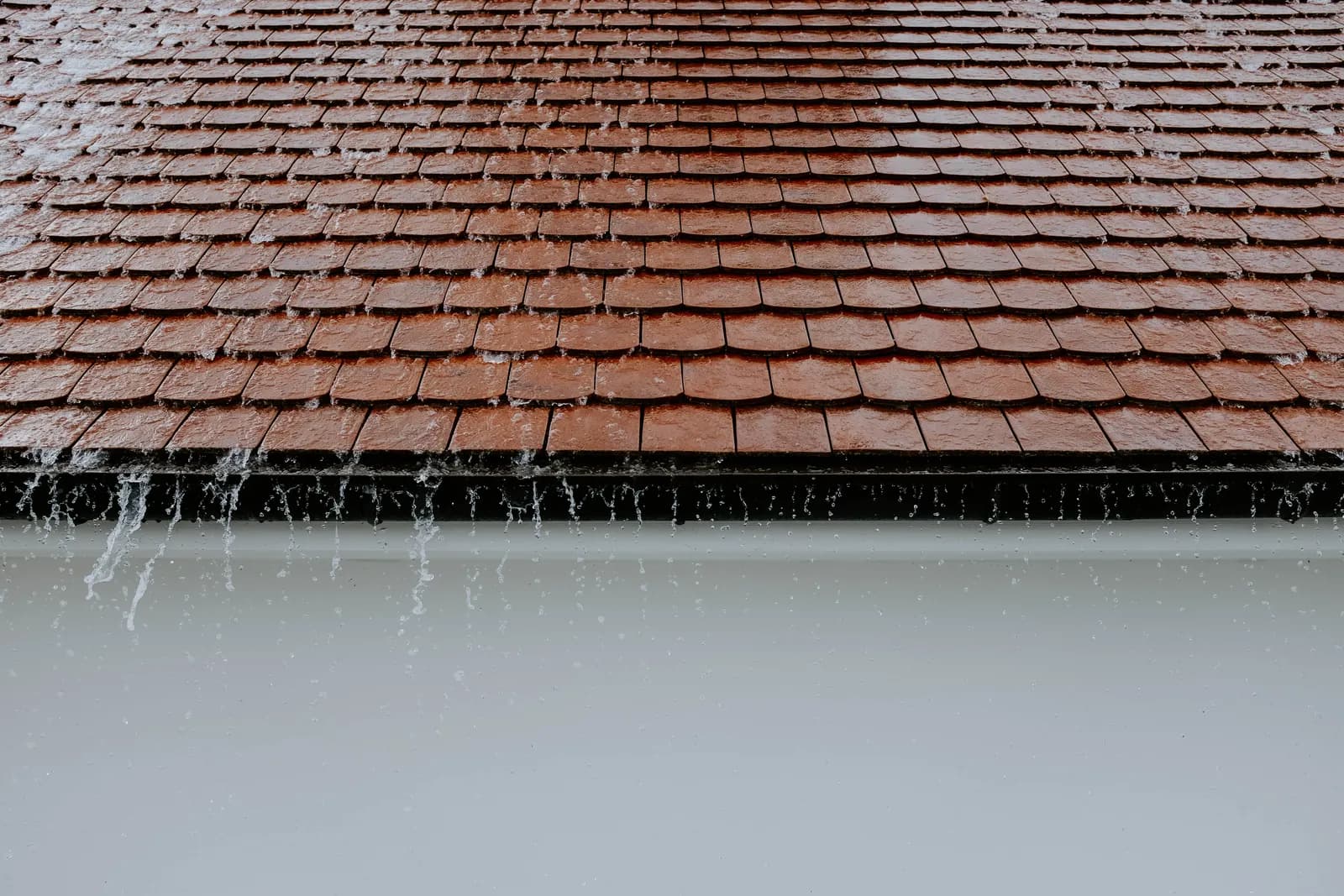
Describe what you observe, not what you assume
A moisture mark below does not automatically show where water entered the roof. Provide location, timing and visible changes without deciding the cause.
Safe overview and detail photographs help assess urgency and the next step. Do not climb onto a wet, damaged or unfamiliar roof.
Information for your report
- LocationIdentify the room, ceiling, wall or roof area and add an overview.
- TimingRecord when you first noticed it and when the mark changes.
- Weather and useMention rain, wind and any appliances or water pipes without claiming a connection.
- Visible extentUse photographs with a recognisable reference and note whether the area grows.
- Previous workMention known repairs, solar panels, roof windows or other interventions.
Agree clear next steps
- Ask about urgencyHave the professional explain appropriate safe temporary and permanent steps.
- Ask what will be investigatedRecord which areas or potential sources will be checked.
- Request findingsAfter the visit, ask what was visible, what remains uncertain and which proposal follows.
If there is immediate danger
Water near electricity, collapse risk or loose components require appropriate urgent help. Stay outside the danger area and do not rely on an online request alone.
If there is immediate danger, call the appropriate emergency or intervention service, then inform the owner, manager or competent professional for your situation.
Keep a factual log until the cause has been investigated
Begin with a timeline containing the date and time of each observation. Describe where the mark is visible, its approximate size and whether it changed since the previous check. Include weather or recent use only as context, not as a proven cause. Record whether the same area was repaired before. A series of short, comparable observations is more useful than one confident diagnosis and helps a professional ask focused questions.
Take photographs only from a safe position. Start with an overview of the room or roof side, then a medium view and finally a detail with a recognisable scale that causes no damage. Repeat the same angle at a later check when that remains safe. Remove faces, addresses, documents and contact details before sharing. File names can use the date, zone and sequence number without personal information.
Describe what happened after you noticed the issue. For example, record that a room was kept out of use, a professional was called or a temporary measure was installed by a competent person. Do not interfere yourself with electricity, structural components or a slippery, damaged or unfamiliar roof. If the situation appears immediately dangerous, leave the area and seek appropriate urgent help rather than relying on an online response alone.
Prepare the site visit with a simple map of internal and external zones. Show where marks sit relative to walls, chimneys, roof windows, gutters, outlets or equipment without inferring a leak path. Gather known information about the roof type, age, previous repairs and recent work. Ask which areas need safe inspection and whether further access, measurement or opening may be required.
After investigation, request a clear distinction between observations, possible explanations and points that remain unconfirmed. Have the next step named: temporary protection, more investigation, a targeted repair or a wider renovation scope. For each step, state who performs it, which area it covers, how the result is checked and how additional damage is reported. Have changes confirmed in writing before they become part of the instruction.
Keep the original report, photographs, visit notes, quote versions and later findings together. Make a separate copy of any material that may need to go to an insurer, landlord, co-owner or building manager, and check which information is actually required. This guide does not determine liability or insurance cover. A complete, dated record nevertheless helps separate facts from assumptions and keeps follow-up commitments traceable.
Create a clear project report
Group observations and safe photographs without placing sensitive contact details in free text.
Describe the roof issue