
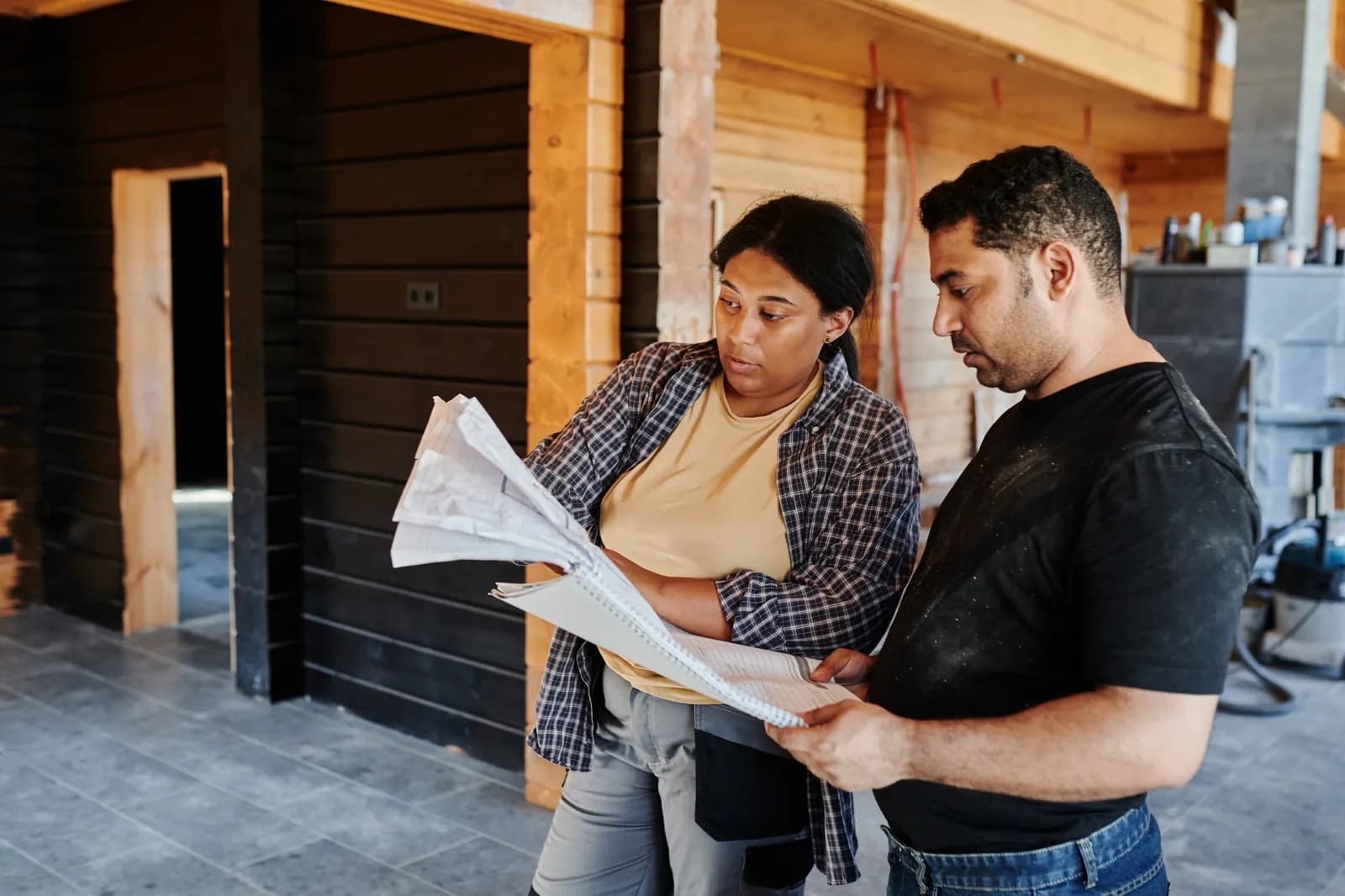
A useful visit starts before the professional arrives
You do not need to climb onto the roof. Gather what can be seen safely from the ground, a window or indoors and note when the problem appears.
With the same basic information, several professionals can prepare their questions and visit more effectively.
What to collect beforehand
- OverviewPhotographs of the whole roof area and junctions with walls, gutters or extensions, taken from a safe location.
- InsidePhotographs of the attic, ceilings, moisture marks or discolouration, including an overview and detail.
- TimelineRecord when the issue began and whether it relates to rain, wind or previous work.
- Building informationConstruction year if known, earlier roof work, available plans and known material choices.
- AccessState which spaces are accessible, where materials may stand and any resident or neighbour constraints.
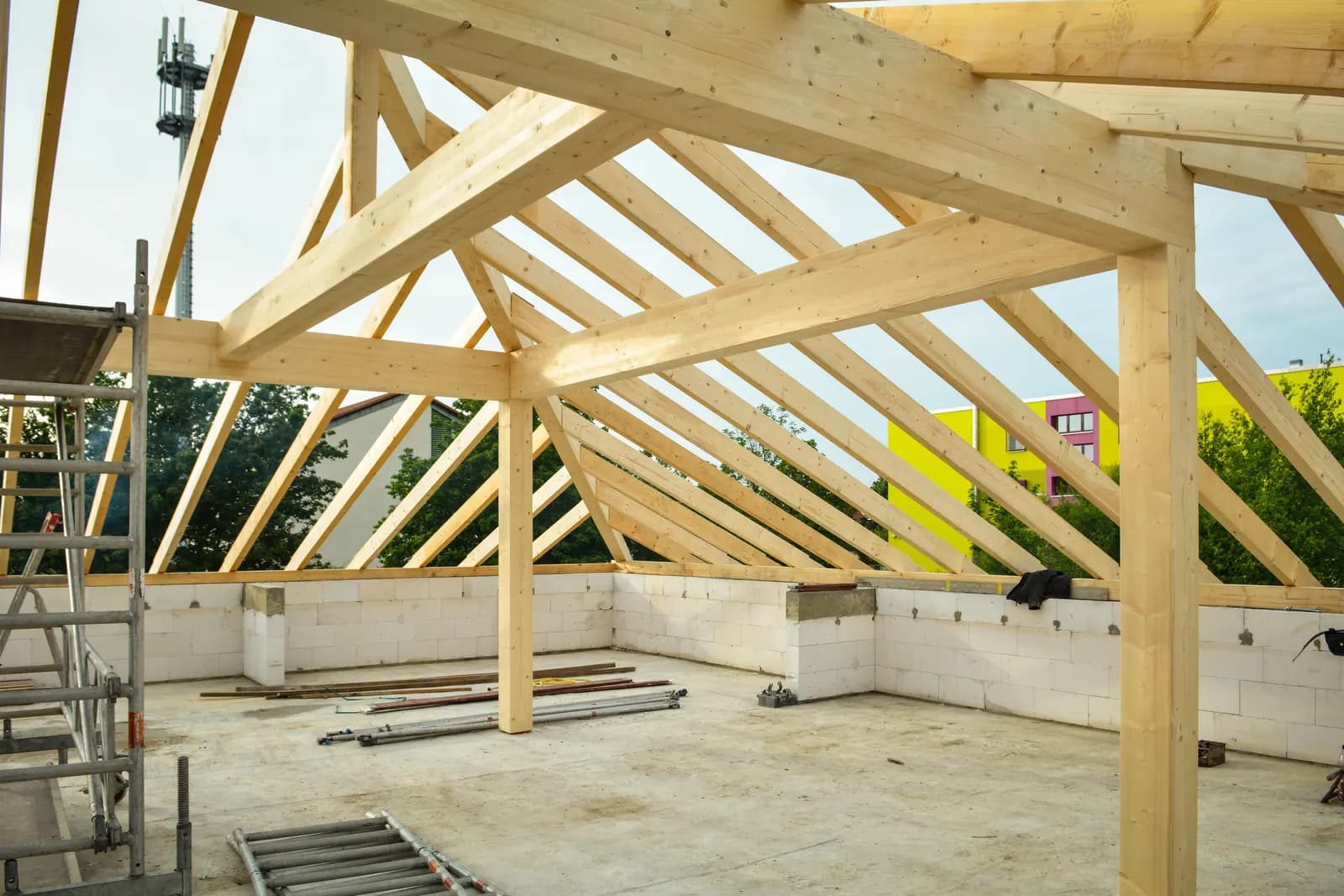
During the visit
- Repeat the goalSay whether you expect repair, renovation, insulation or diagnosis and which timing matters.
- Ask about uncertaintyHave the professional identify what remains hidden and which additional checks are needed.
- Agree the next stepConfirm what information, quote or second inspection follows and by when.
Safety matters more than completeness
Do not climb onto a roof to take better photographs. Mention difficult access, fragile areas and known risks in advance.
If people or surroundings face immediate danger, a project form must not be the only action; contact the appropriate emergency or intervention service.
Turn the site visit into a traceable working session
Send a short project brief before the appointment. State the building type, roof type, intended outcome and problems you have observed. Attach only photographs taken from a safe place and explain where each image was made. Number files or give them recognisable names so a gutter detail is not attributed to the wrong roof slope. Mention any available plans, invoices or documents while keeping unknown information clearly marked as unknown.
Prepare access practically. Make the attic, technical rooms and relevant internal areas accessible, but do not move materials when doing so would be unsafe. Give advance notice of narrow access, pets, restricted parking, shared areas or arrangements involving a tenant or co-owner. Ask which access equipment the visitor will bring and which zones occupants should avoid during the inspection. This keeps the available time focused on observation rather than unexpected logistics.
Use a consistent order during the discussion: existing condition, desired result, visible concerns, possible investigation, delivery options and next step. For every initial impression, ask what was directly observed and what remains a hypothesis. A site visit cannot always reveal hidden layers. Record which openings, measurements or additional specialists might be needed, and whether those require your prior approval or a separate price.
Do not photograph or record people without an appropriate agreement. Frame the technical condition and avoid documents, number plates, faces or contact details. If the professional takes photographs, ask what they are for, where they will be retained in the project file and whether selected images will accompany the findings. Share sensitive building information only when it is genuinely necessary for the assessment and through the agreed channel.
End the visit with named responsibilities. Who will provide measurements, who will locate missing product information and who will check any permit or co-owner approval? Agree a realistic date for the quote or follow-up question. Ask how long assumptions remain valid if work starts much later. Write the points down immediately and send a concise confirmation, allowing either party to correct differences before the price is developed.
Afterwards, assess more than the technical impression. Check whether the professional listened to your goal, explained limits and uncertainty clearly and did not expect unsafe action from you. Compare the visit notes with the later quote: roof areas, junctions, investigation items and practical arrangements should all be recognisable. Ask for a revised version when something is missing. A complete visit record shortens the next conversation and makes the eventual decision easier to trace.
Keep your information in one project
Store the description, photographs and questions together.
Prepare my project