
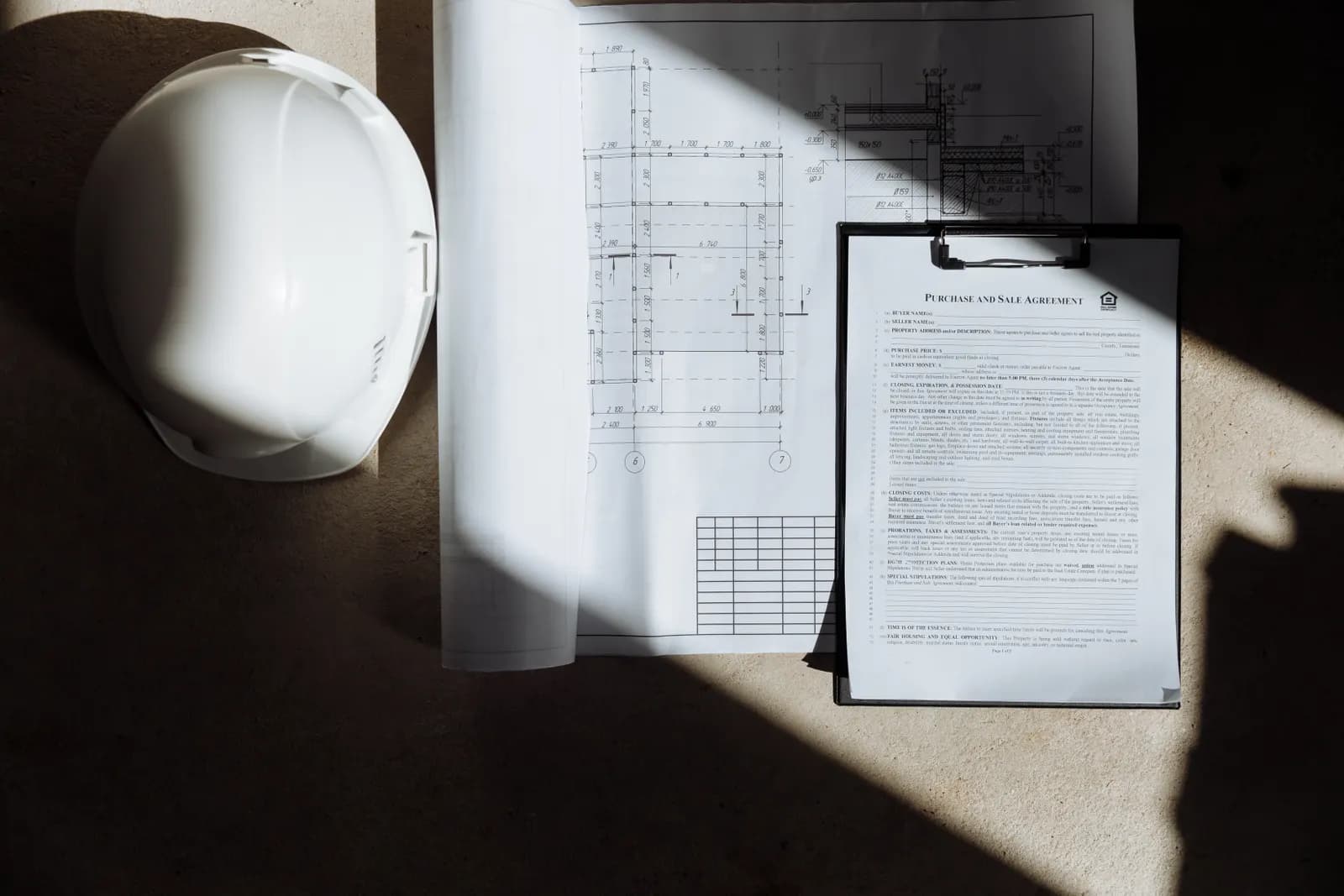
The total price does not tell the whole story
Two quotes can show the same total while covering different amounts of work. First clarify which roof areas, existing layers and junctions are included.
Ask each contractor to state assumptions and exclusions. A cheaper proposal should not become more expensive when necessary items appear later.
Compare these points
- Preliminary checksDoes the scope include an inspection, moisture check or assessment of the substrate?
- Build-up and materialsAre material type, layers, finish and quantities described clearly?
- JunctionsAre gutters, edges, penetrations, chimneys, roof windows and drainage included or excluded?
- Site organisationCheck scaffolding, protection, containers, waste, access and final cleaning.
- Timing and changesRecord the start window, expected duration and how extra work receives prior approval.
- HandoverAsk which documents, photographs, maintenance notes and warranties are provided.
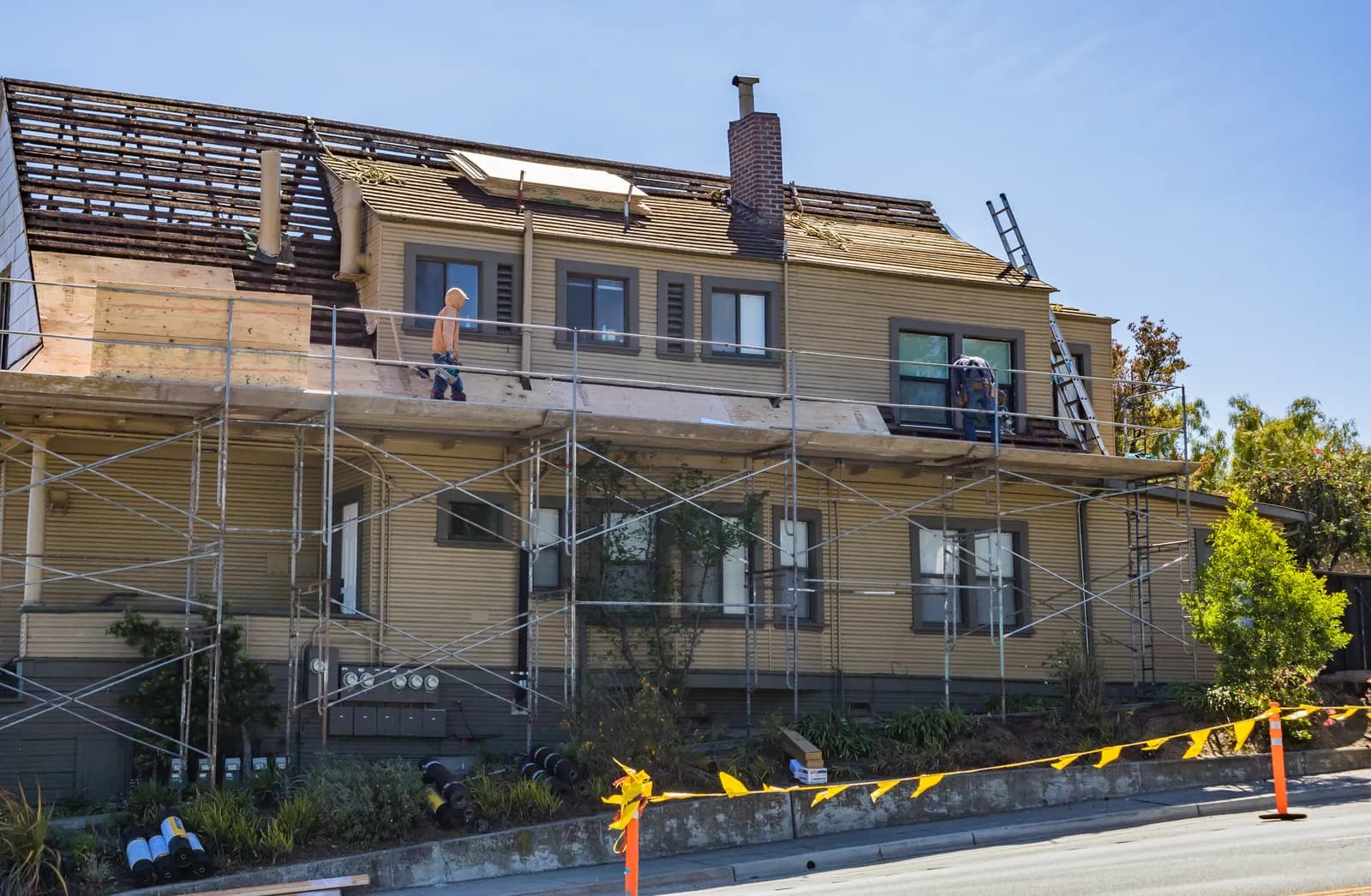
A useful comparison method
- Create one project briefGive every candidate the same photos, measurements, timing and problem description.
- Mark differencesDo not treat a missing item as zero cost; mark it unknown and request clarification.
- Assess the discussionBeyond price, consider clear communication, realistic timing and written agreements.
- Confirm the final scopeHave changes included in a revised quote before deciding.
Build a decision record that remains useful after the work
Do not begin with the totals. Create a simple table with identical rows for every quote, such as preparation, removal, roof build-up, insulation, finish, junctions, site setup, waste, handover and options. Mark each row as included, excluded, provisionally estimated or still to be investigated. Also check whether amounts include or exclude VAT and whether units and quantities are presented on the same basis.
Then read the technical description as a whole. A brand name alone tells you little when thickness, installation method, fixing, colour, finish or substrate is missing. Ask why the proposed build-up suits the existing roof and which observation supports that choice. Have alternatives priced separately so a cheaper material or different method is not silently treated as equivalent. Record unknown components as questions instead of making your own technical conclusion.
Pay particular attention to items that only become visible after removal. Ask how the contractor will document hidden damage, who will contact you, which unit prices might apply and when you must approve extra work in writing. An allowance is not a fixed price, so record the quantity or assumption behind it. This makes later cost changes traceable and avoids important site decisions being made only in conversation.
Compare practical delivery as well. Record who arranges scaffolding, parking, lifting, containers, protection of the garden or interior and daily cleaning. Ask for the planned start window, estimated duration and approach to unsuitable weather or delayed materials. Check whether occupants can remain in the building during each phase and who informs neighbours or co-owners when access or noise affects them.
Review payment stages alongside observable milestones. Ask which documents you receive at order, during execution and at handover, who your named contact is and how defects are reported. Have warranty wording refer clearly to the work actually carried out, and retain product sheets, photographs and maintenance information with the final quote. Assess these commitments together with price; vague language is a reason to ask, not to assume.
Finally, write one short summary per candidate: what is definitely included, which choices remain open, which risks have been priced and which questions still need an answer? Send the summary back and request a revised quote with a date and version number. Decide only with the latest written versions side by side. Keep rejected options too, because they record the choice you made and help create a clear handover file.
Create one clear request
A consistent project description makes proposals easier to compare.
Start my projectFrequently asked questions
Should I always choose the lowest price?
No. First check whether scope, materials, preparation and handover are genuinely equivalent.
What should I do with a verbal promise?
Ask for the item, price and any conditions to be added to the written quote.
How do I compare an unknown damage item?
Ask how it will be investigated, when a price follows and who must approve a change.